Creating a positive dental experience for young people


28th April 2026
Written by Sharon Nugent, Senior Executive, Client Training, Denplan
The importance of early dental experiences
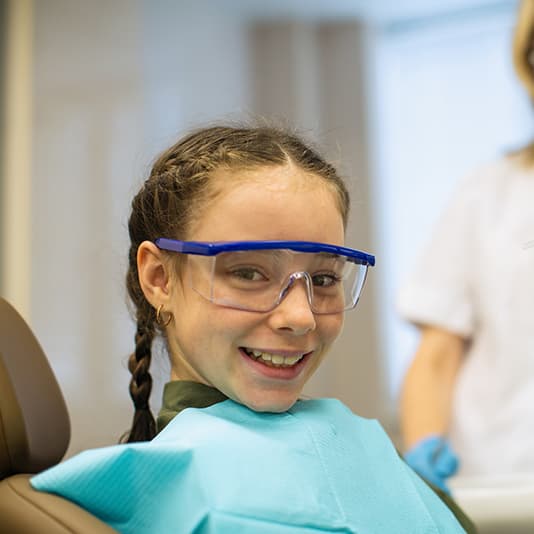
For many children, a visit to the dentist is one of their earliest encounters with healthcare and those first impressions matter. The role of the dental team is pivotal, and every appointment is an opportunity to shape a child’s future relationship with oral health.
Communication with children and their parents or carers
At the heart of this lies communication, not just with the child, but with the parents or carers who accompany them.1 Children respond best when they feel informed, involved, and reassured. Simple, age‑appropriate explanations can transform a potentially daunting moment into something manageable, even empowering.
Meanwhile, parents need clarity, confidence, and the sense that they are partners in their child’s care. When communication flows well on both sides, trust grows, and the entire experience becomes smoother for everyone.
These early interactions do more than get a child through a single appointment. They set the tone for the future.

Creating a welcoming practice environment
The environment a practice creates can also make a world of difference. A space that feels genuinely welcoming to children, with warm colours, age‑appropriate distractions in the waiting room, and friendly, approachable staff can help even the most nervous young patients feel more at ease.
Supporting families to build healthy habits
Dental teams also play a crucial role in helping families establish healthy habits from the very beginning.2
Demonstrating brushing techniques, offering dietary guidance, and reinforcing the importance of routine care all contribute to reducing the likelihood of decay and the need for invasive treatments later on.
When parents feel supported and engaged, they are more likely to carry these habits into daily life, strengthening the preventive work done in the practice.

The wider benefits for the practice
There is also a wider benefit for the practice itself. Parents and carers talk at the school gates, the play centre and even on a muddy touchline on a wet Saturday morning and very soon, the practice can find itself with a reputation for being good with children. This could quickly become one of a practice’s strongest assets and encourage growth, loyalty and a sense of community trust that is invaluable in today’s competitive landscape.
Training through the Denplan Academy
To support dental teams in delivering this level of care, the Denplan Training Academy offers a dedicated training course, “Creating a Positive Dental Experience for Young People.” The course is designed to help teams:

Overcome communication barriers with children and their carers
Understand developmental stages
Engage effectively with young people from birth through to 18 years
Support babies during their first visit
Work confidently with neurodivergent children
Navigate the ever‑evolving world of teen lingo!
Tailor-Made Training sessions
'Creating a Positive Dental Experience for Young People' is one of the many subjects that can be included in our Tailor-Made Training sessions. To find out more about this module and others, take a look at our training guide.
About the author
Meet Sharon Nugent, Senior Training Executive
Sharon is an experienced trainer of over 17 years. She has spent the last 3.5 years working for Denplan, supporting dental teams with their training needs.
Previous to this, Sharon worked in a large corporate company where she found her passion for delivering interactive, engaging training. Sharon has also worked in early years education, shaping her understanding of how young people interact and learn.

References
pmc.ncbi.nlm.nih.gov/articles Minimizing paediatric healthcare-induced anxiety and trauma Providing an empowering environment significantly decreases a patient’s risk for healthcare-induced trauma and other undesirable psychological effects of treatment. By utilizing the four principles in the CARE protocol: (1) Choices: Provide power in a powerless environment; (2) Agenda: Letting the patient and family know what to expect and what is expected of them; (3) Resilience: Start with strengths and reframe negatives; and (4) Emotions: Recognize and normalize common fears and responses providing emotional support, children will feel emotionally safe and protected in their medical treatment.
pmc.ncbi.nlm.nih.gov/articles Long‐Term Impact of Childhood Dental Attendance on Perceived Adult Oral Health: The British Cohort Study - An association was found between childhood dental attendance pattern and self‐rated oral health in middle adulthood. The odds of reporting poor oral health were higher among those with ‘sometimes’ and ‘an empowering environment significantly decreases a patient’s risk for healthcare-induced trauma and other undesirable psychological effects of treatment.